japanese beetle life cycle iowa
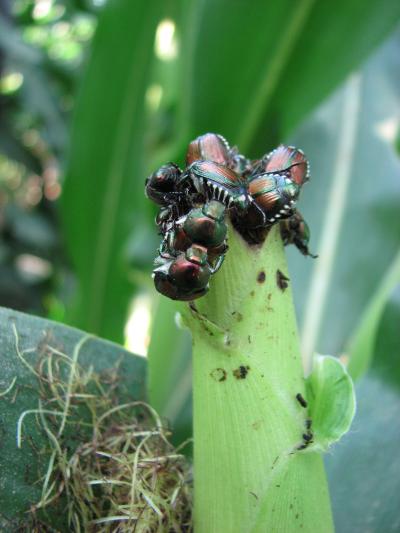
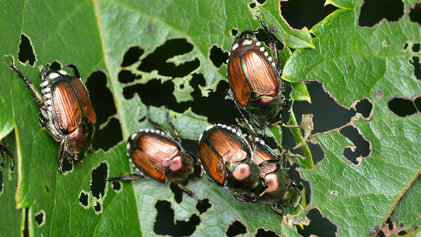
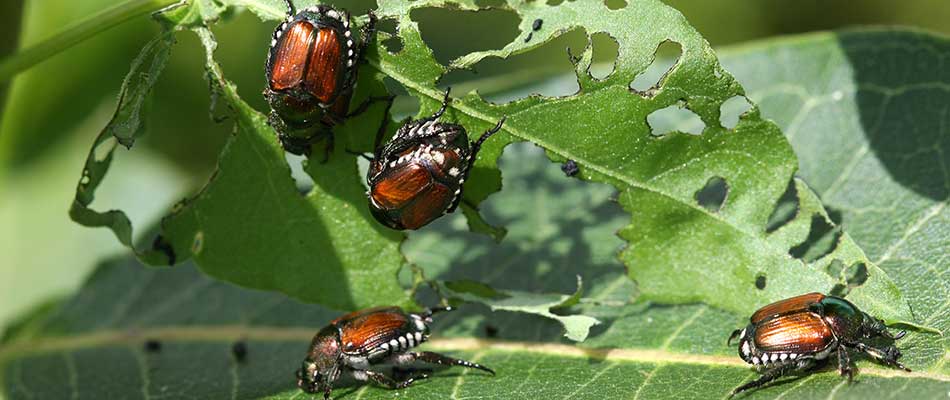
Life Cycle Japanese beetles have one generation per year in Iowa Fig. Observing Japanese beetles feeding on plants is quite common since the adult beetle feeds on about 300 species of trees shrubs ornamental and fruit trees in addition to vegetable crops.
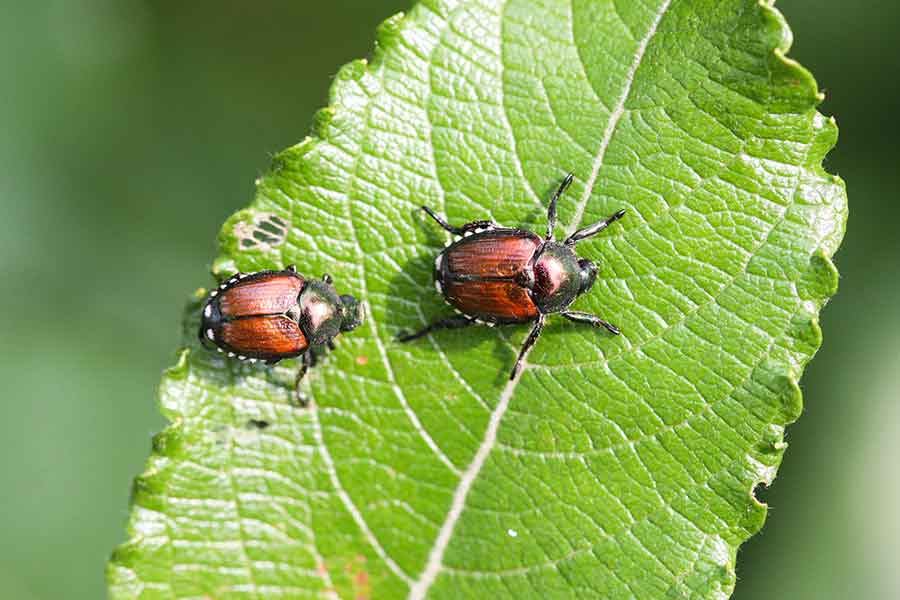
Japanese Beetle The Arbor Day Foundation
Japanese beetle life cycle.
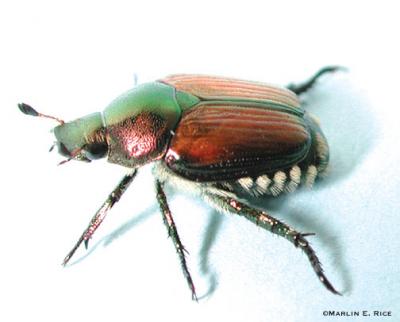
. Ad Browse discover thousands of brands. Enter a Zip Code. The egg larva and pupa life cycle stages develop underground and unless soil is removed or dug into these life stages will not be seen.
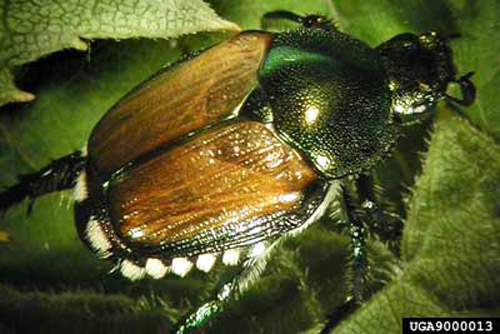
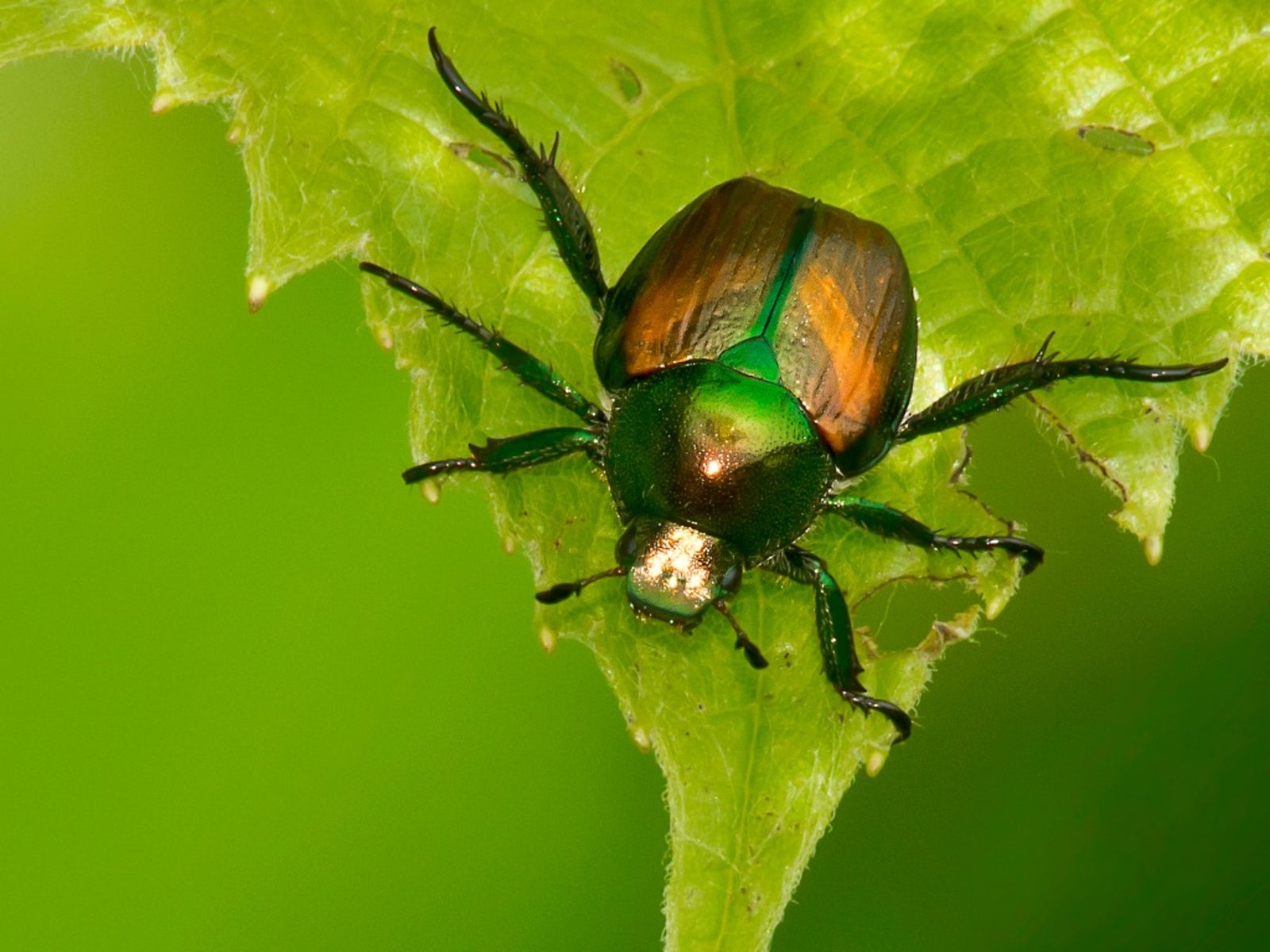
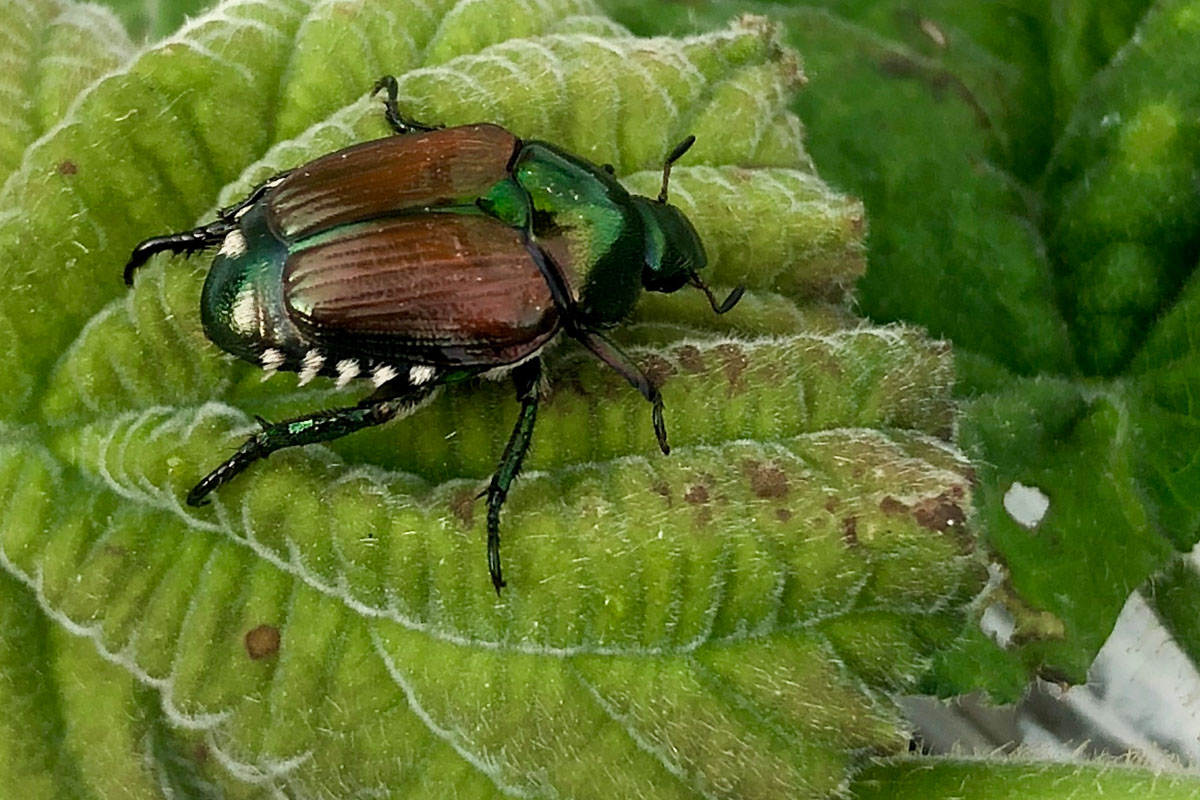
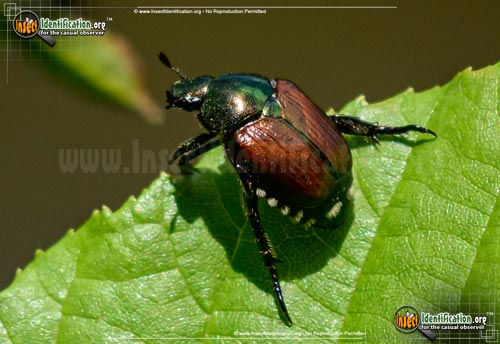
Here are the stages in the lifecycle of a Japanese beetle. The adult Japanese beetle is a little less than half an inch long and has a shiny metallic-green body with bronze-colored outer wings. Management of Japanese Beetle.
Grubs cease feeding in October and overwinter 15 cm below the soil surface Figure 3. Japanese beetle have one generation per year Figure 2. Adult female beetles lay eggs in the soil in early June.
How to Recognize the Japanese Beetles Life Stages. The Japanese beetle did not appear in Iowa until 1994 but is now found in over 34ths of the state. The males usually are.
They overwinter deep in the soil and resurface again in spring when soil temperatures rise to feed for another 3 to 4 weeks before emerging as adult Japanese beetles. Ad Enter a Zip to Get Pest Control Estimates from Top Rated Local Exterminators. Its not easy to spot the Japanese beetle at first.
Japanese beetle life cycle. The beetle has six small tufts of white hair along the sides and back of its body under the edges of its wings. 50131 - Johnston Iowa.
Clean up your Property with a Pest Control Treatment Plan. Adults begin to emerge in May and feed on foliage through September. The adult Japanese beetle is a little less than half an inch long and has a shiny metallic-green body with bronze-colored.
Please enter a valid location. Females lay eggs in soil that hatch within seven to 14 days and grubs begin feeding on grass roots. Japanese beetles are often found in field edges or areas of delayed growth.
Read customer reviews find best sellers. Thats because much of its life cycle takes place underground. After the egg hatches in summer the grub feeds on roots until the following summer when it emerges as a shiny beetle.
Corn soybean ornamentals fruit trees grapes weeds. Japanese beetles are similar to other Junebugs in appearance and 38 inch long and 14 inch wide.
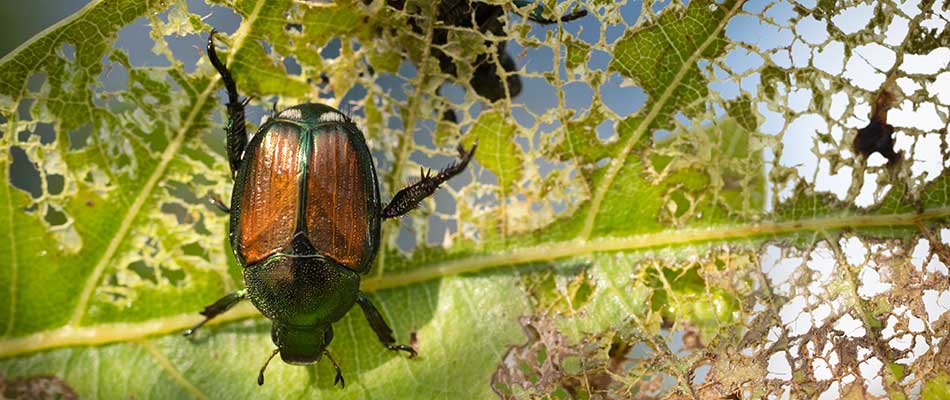
Japanese Beetle Control In Des Moines West Des Moines Ankeny Ia A Lawn Landscape
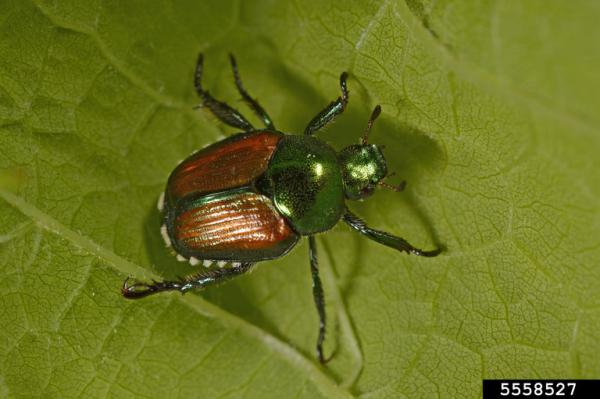
Japanese Beetle National Invasive Species Information Center
Japanese Beetle Popillia Japonica

Japanese Beetle In Corn And Soybean Integrated Crop Management
Japanese Beetle In Corn And Soybean Integrated Crop Management
Japanese Beetles The Garden Website Com
Information On Plants That Deter Japanese Beetles And Plants Japanese Beetles Avoid
Japanese Beetle Control The Good Earth Garden Center
Japanese Beetle Control In Des Moines West Des Moines Ankeny Ia A Lawn Landscape
Japanese Beetle
Japanese Beetle In Corn And Soybean Integrated Crop Management

Signs Of Japanese Beetle Infestations Shades Of Green Lawn Landscape

Japanese Beetles Meadows Farms

Japanese Beetle In Corn And Soybean Integrated Crop Management

Japanese Beetle Control The Good Earth Garden Center

Effective Management Remains Elusive For Beetle That Eats Almost Anything

The Japanese Beetle Has Reached Its Peak Population In Places Across Iowa While Some Areas Of The State Have Not Seen The Bee Japanese Beetles Beetle Japanese

Usda Aphis Japanese Beetle

Japanese Beetles Expanding Range In Iowa Integrated Crop Management